
Starting on all-Fe hybrid flow
Right now I have a dedicated cell for Zn-I testing and another for all-Fe, though I haven’t run an all-Fe WiSE test yet—made some of the electrolyte but couldn’t get it to fully dissolve. Color of the undissolved solid looks like Fe (II) minty green.
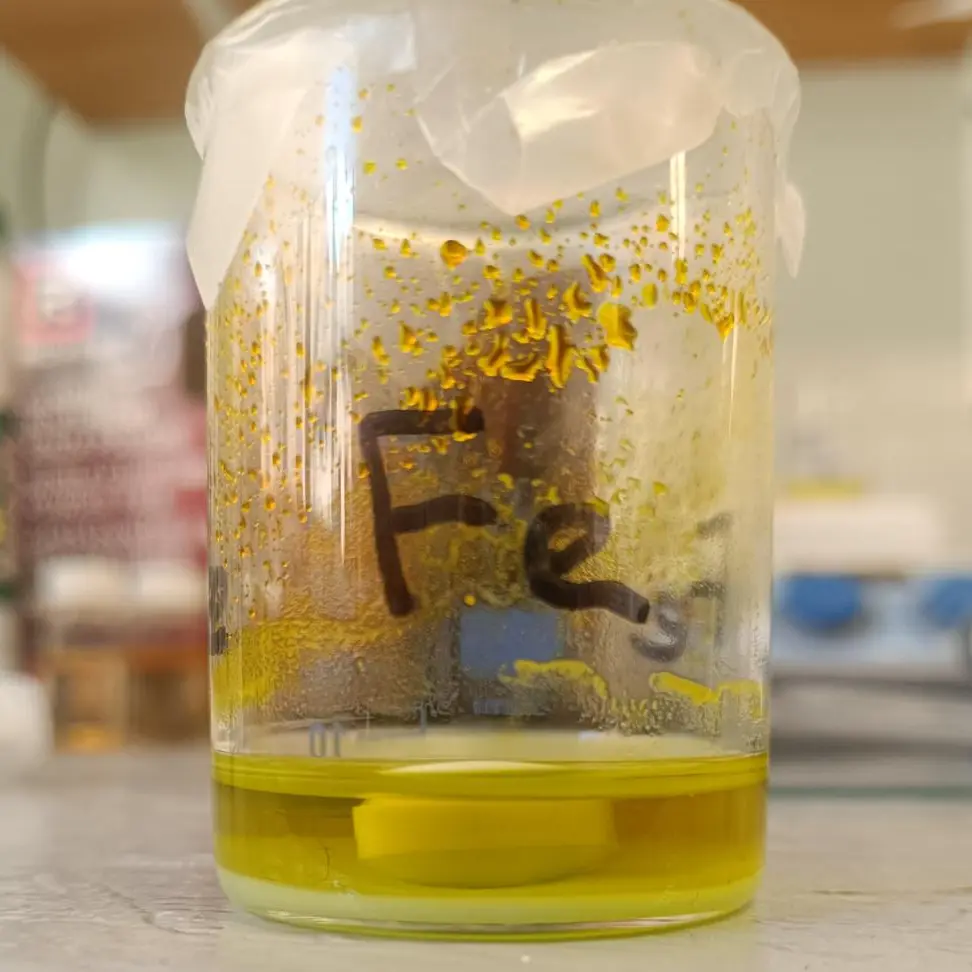
I added 1.5 mL water to Daniel’s original recipe and got it to dissolve. This is what it looks like now, building of Daniel’s work:
- 4.3 g MgCl2
- 8 + 1.5 mL of water (might be able to add less water later)
- 1.6 g of FeCl2•xH2O (assuming x = 2 for now)
- 3 drops of HCl 15% w/w
- 20-30 mg of ascorbic acid
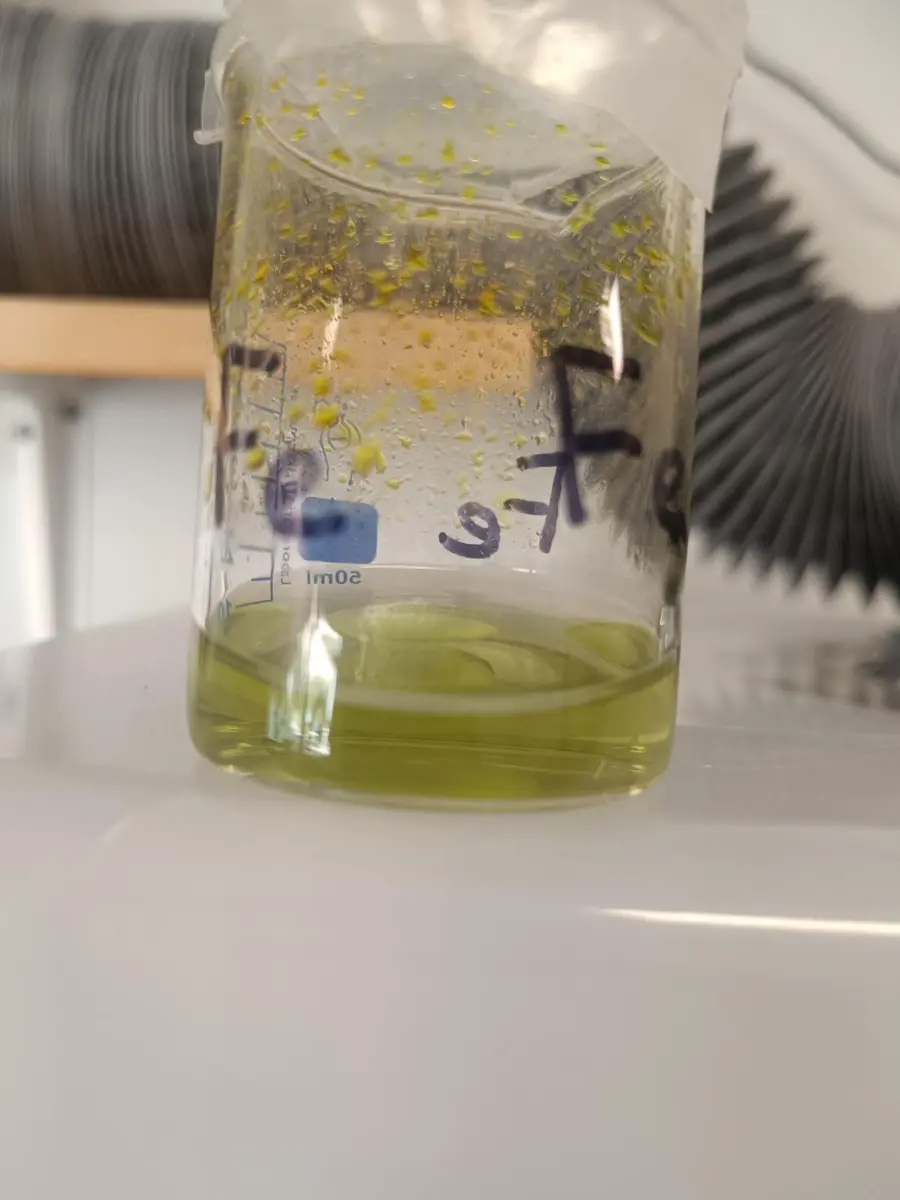
First weigh the MgCl2, add the water to it slowly, keep it away from you as this is aggressive, have constant stirring and fume extraction. Wait for it to cool, then add the 3 drops of HCl, the Fe and the ascorbic acid in that order. Finally adjust the vol to 10mL if you need to as some water evaporates during step 1.
My modification: add water back on mass basis after dissolving MgCl2 to make up for evaporated water. Consider switching to adding MgCl2 to water to manage heat better rather than the reverse.
After that I then start cycling to 2mAh at 20mA/cm2 until I get CE above 95%
This worked for me, here is what I had:
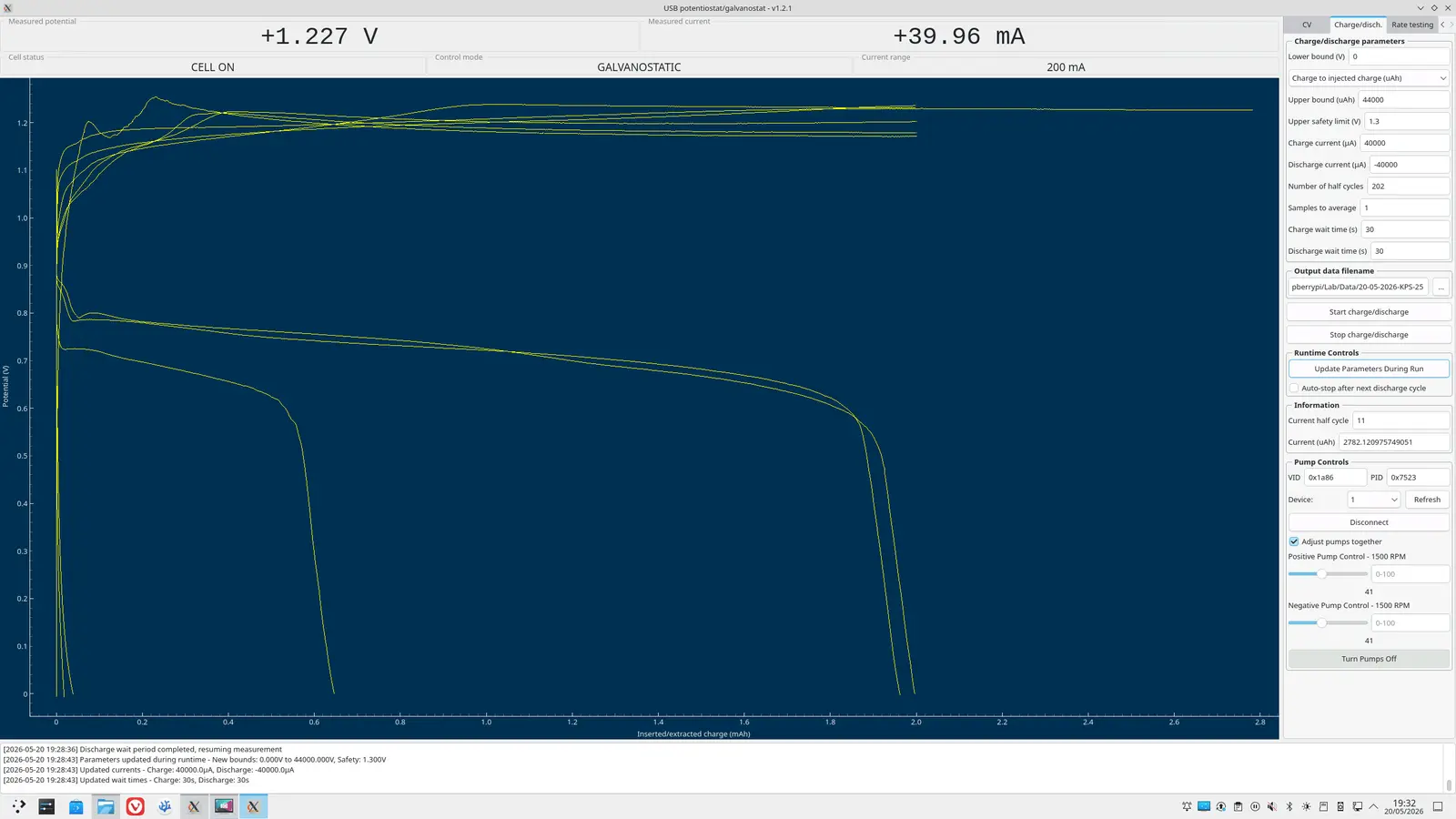
As of now the test is still running:
Also, ordered some current collectors in steel for testing all-Fe electrolytes, to have on the negative side to help plating adhesion vs. graphite, as Daniel has observed iron detachment in some of his all-Fe testing. This could mask problems as it gives you a huge Fe inventory, but if it works, it works—we’ll see.
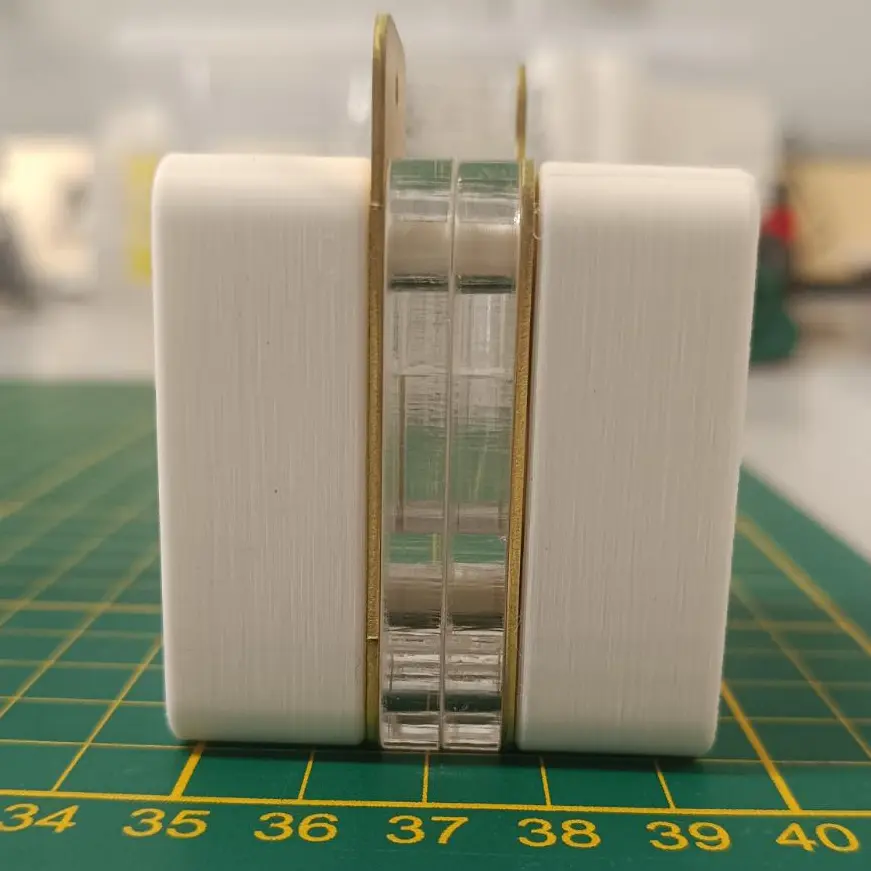
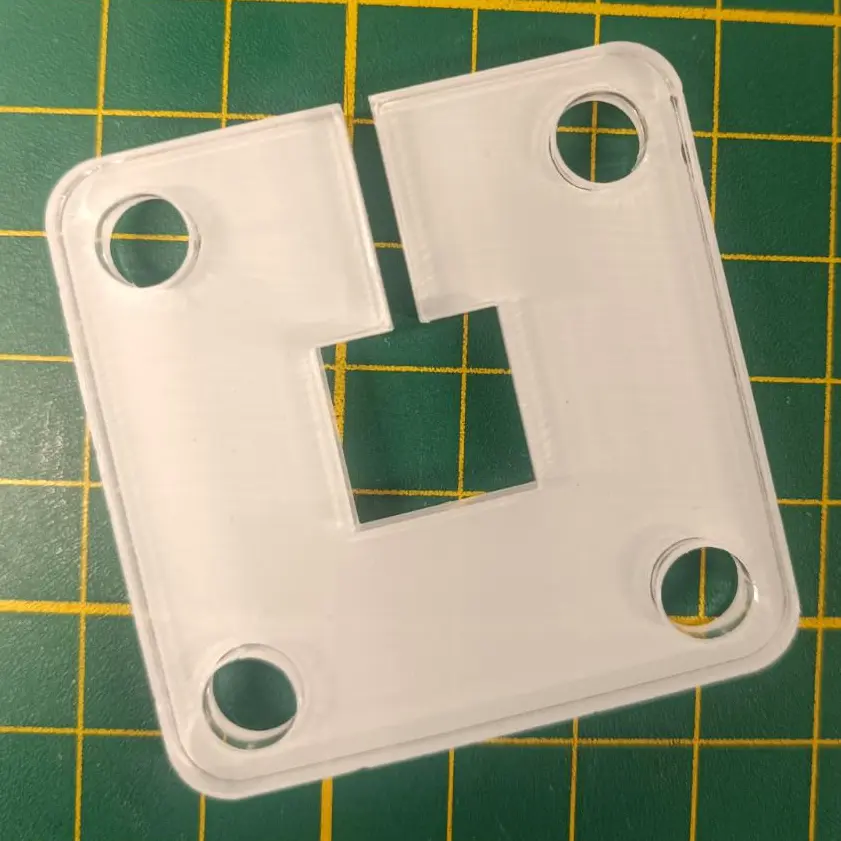
Flooded, static cell design based on existing cell
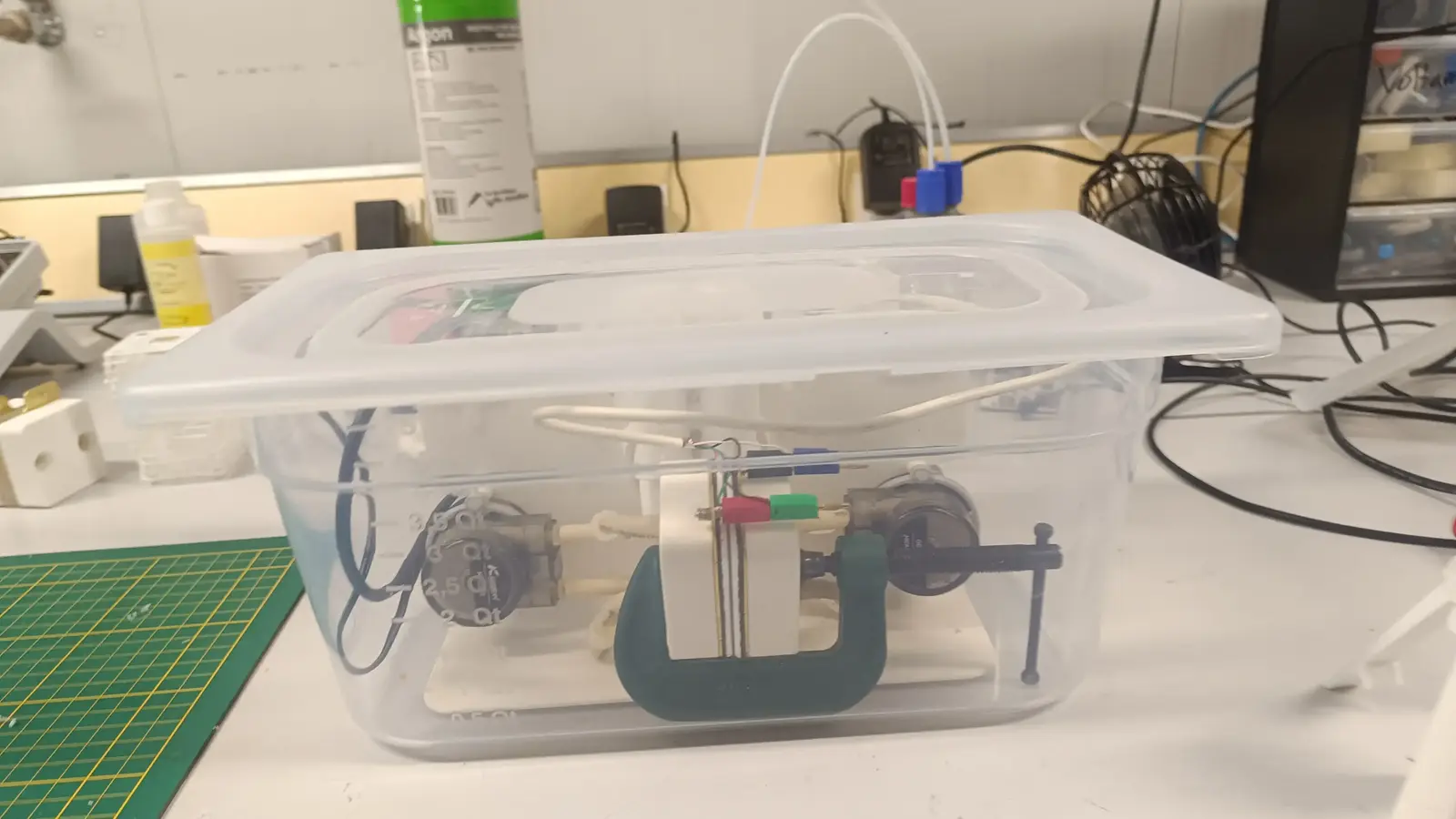
Designed and printed/ordered as well some PP FDM and acrylic laser cut “static frames” (as opposed to flow frames) for testing static, non-flow flooded chemistries in our cell. Basically you’d be able to use most of the existing cell components but with these static frames, and be able to test flooded chemistries in a controlled manner. It would look something kinda like this:
Tried to start another Zn-I test but it’s cooked
Built another cell for Zn-I after replacing tubing on both Zn-I pumps.
Noticed some bubbles being pulled through the negative reservoir when leak testing with water before the run, thought somehow air might be pulled through the cell since now the cell is below ambient pressure. This is due to the decision to pull rather than push electrolyte through cell to avoid overpressurizing it in the event of blockage. I went through my whole PhD not doing this and not seeing it in papers but seems like Maria Skyllas-Kazacos1, the VRFB OG, does this at benchtop scale. So, I added a 0.9 mm thick membrane frame (to match the Daramic thickness), thinking air might get pulled in the edges of the cell if the gaskets weren’t fully compressed. This didn’t solve the issue though, but the edges of the gaskets of the cell now do look more evenly compressed, which can’t hurt I’d say (though we haven’t had leakage problems with the cell with the clamping design).
I wondered if pressure drop through flow frame was too high, causing the pump to “cavitate”/pull too much vacuum or something like that. I had printed them at 110% flowrate which is quite a lot, they are visibly “chunky” to be scientific about it. Maybe the internal geometry is too blocked. Printed identical flowframes but with “thick bridges” option and 105% flowrate. Threw them in the cell—the Luer Lock fitting style is a big improvement, it makes things so much easier. But no dice. Then I tried changing gaskets, tubing, etc. to no avail. I kept getting bubbles. In the iron cell I was building in parallel, this problem wasn’t there. And the setups are the same. I will probably just rebuild the whole thing from scratch. Maybe it is totally COOKED after getting blasted in my last Zn-I test.
Footnotes
I briefly met her at a conference once, when she came by to judge my poster 🤓↩︎
Citation
@online{smith2026,
  author = {Smith, Kirk Pollard},
  title = {Lab {Notebook} {Entry} \#18},
  date = {2026-05-20},
  url = {https://dualpower.supply/posts/lab-notebook-18/},
  langid = {en}
}